


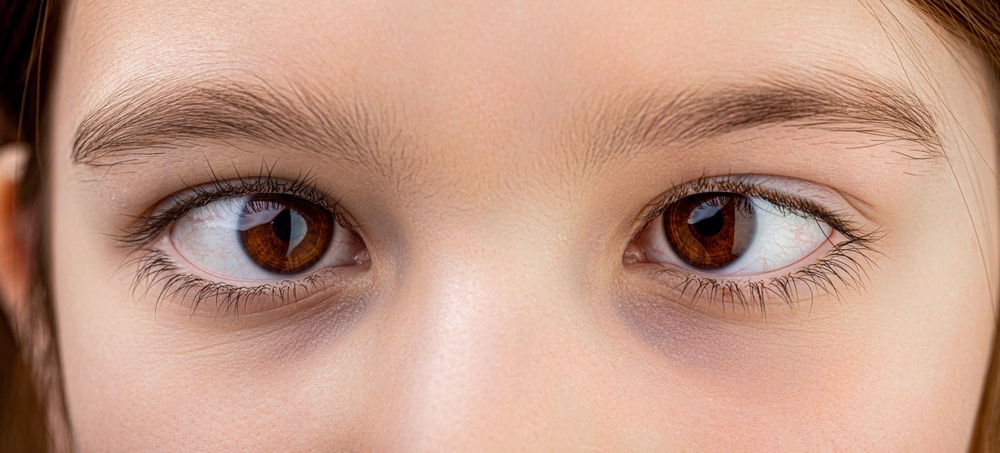
Eye misalignment, often called strabismus, happens when the eyes do not point in the same direction at the same time. One eye may turn inward, outward, upward, or downward while the other stays focused ahead. The misalignment may be constant or may come and go. It can affect both children and adults and may interfere with how the eyes work together.
Why Proper Eye Alignment Matters
Healthy binocular vision depends on both eyes aiming at the same target so the brain can combine the images clearly. When the eyes are misaligned, the brain receives two different visual signals. In adults, this may cause double vision. In children, the brain may begin to ignore the image from one eye, which can affect normal visual development.
How Eye Misalignment Can Affect Vision
Eye misalignment can affect more than appearance. It may reduce depth perception, make reading harder, and cause eye strain or headaches. Some people notice image shifting, trouble focusing, or the need to cover one eye to see more comfortably. In children, untreated misalignment may also contribute to amblyopia, sometimes called lazy eye.
Common Signs of Eye Misalignment
Symptoms can vary depending on age and how noticeable the eye turn is. Some of the more common signs include:
One eye that appears to drift or turn
Double vision
Closing or covering one eye
Head tilting or face turning
Eye strain or headaches
Difficulty reading or focusing
These signs do not always mean the same condition is present, but they are important reasons to schedule an eye exam.
Eye Misalignment in Children and Adults
Eye misalignment often begins in infancy or childhood, but adults can develop it too. In children, the concern is often how misalignment affects visual development and coordination between the eyes. In adults, a new eye turn is more likely to cause noticeable double vision and should be evaluated promptly.
Why Early Evaluation Is Important
The sooner eye misalignment is identified, the better the chance of protecting visual function. A comprehensive eye exam can help determine the cause, how much vision is being affected, and what type of treatment may be appropriate. Depending on the case, care may involve glasses, prism lenses, vision therapy, or referral for additional treatment. Early care can help improve comfort, visual function, and long-term outcomes.
If you have noticed signs of eye misalignment or changes in the way your eyes work together, contact Vision Best Eyecare in Knoxville, Tennessee by calling (865) 288-3418 or visiting 11663 Parkside Drive, Knoxville, TN 37934.


